
Project Planning
What to Include in a Land Clearing Estimate Request Near Lima, Ohio
By Buckeye Land & Property Management · Lima, Ohio
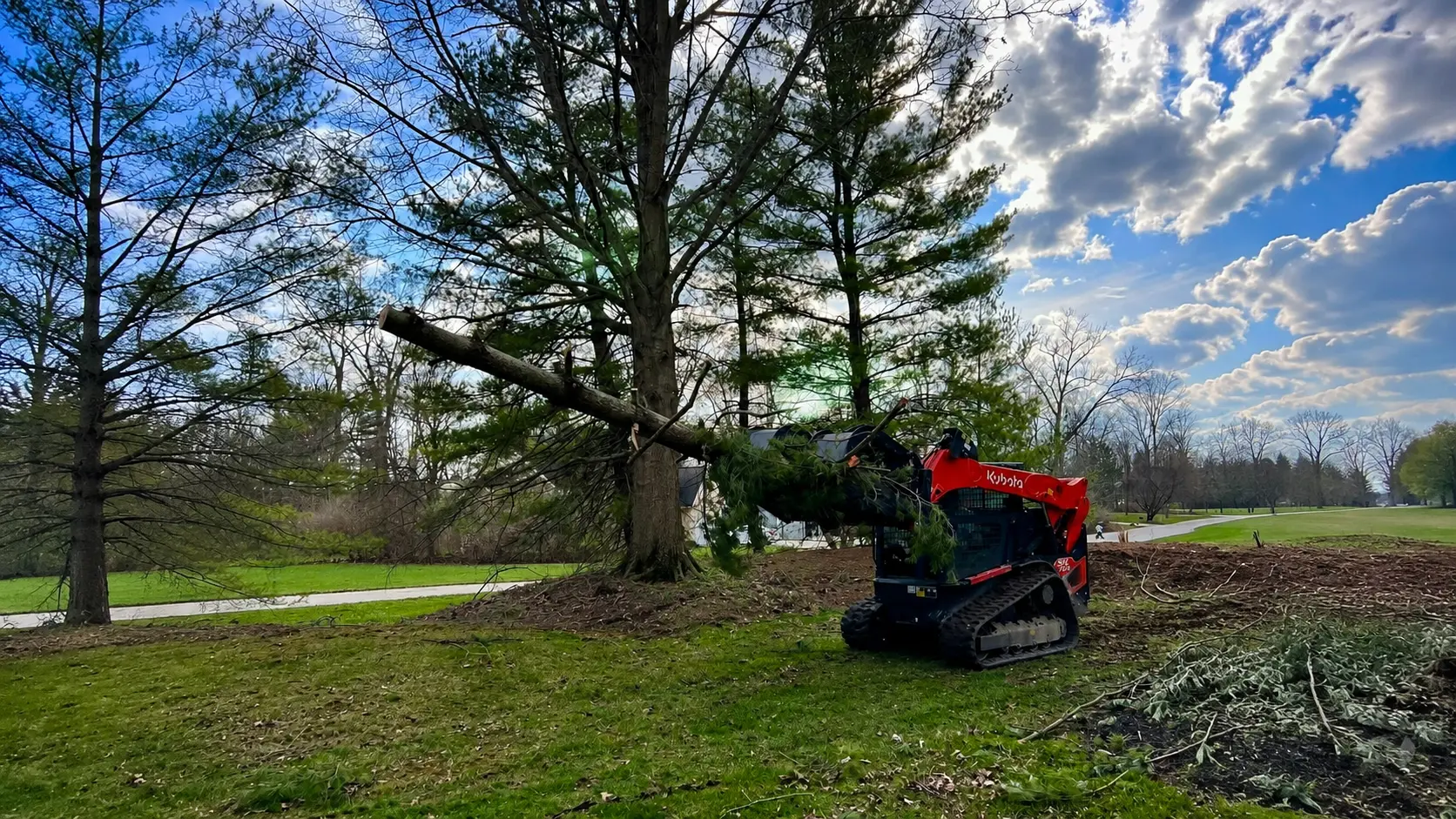
“Clear the back of my property” is a starting point, but it leaves important questions unanswered. Are you making room to mow, restoring fence access, or preparing an area for a separate construction project? A few specific details help a contractor understand the work, the obstacles, and the result you expect.
1. Describe what the area should become
Explain the intended use before choosing a service. A walking trail may need selective brush removal; a fence corridor needs space to reach and maintain the fence; a future driveway may also need stump, grading, and drainage work.
Describe the finish in plain language. Say whether you want mulch left in place, debris hauled away, stumps removed, or ground shaped for a next step. Do not assume a quote for vegetation clearing includes all of those tasks.
2. Take photos from wide to close
Begin with a wide view that shows the work area in relation to the rest of the property. Then photograph dense brush, larger trees, stumps, fallen material, slopes, and wet spots. Include the entrance and the route equipment would use.
You do not need to walk into unsafe overgrowth to get a photograph. Take pictures from stable, accessible ground. Give approximate dimensions or acreage if known, and label them as estimates when you have not measured them.
3. Resolve boundaries and identify what stays
Make sure you know where the authorized work stops. A fence or a mowed edge is not necessarily a surveyed boundary. If the boundary is uncertain, resolve it before clearing near adjacent land.
List trees, landscaping, buildings, gates, and fencing to preserve. Marking those features and reviewing them with the crew helps avoid treating wanted vegetation as part of the clearing scope.
4. Discuss utilities and private underground features
Before digging, use Ohio’s 811 process and follow the current instructions for submitting a locate request and waiting for the required response. Stump removal and grading can disturb the ground even when the main purpose of the job is clearing vegetation.
Standard utility locating does not necessarily cover every privately owned line or feature. Tell the contractor about septic components, drain tile, irrigation, invisible fencing, and private electric or water lines. Discuss how those facilities will be identified and protected before work begins.
5. Make the scope and timing explicit
Mention locked gates, overhead obstacles, soft ground, and travel restrictions. Share your preferred timing, but remember that weather, ground conditions, equipment availability, and the actual scope affect scheduling.
Before approving work, review what the estimate includes and excludes. Confirm the vegetation limits, stump treatment, debris handling, and expected finish. If you change the goal after work starts, discuss the change before additional work proceeds.
- Property address and approximate work area.
- The intended use and desired finish.
- Wide photos, obstacle photos, and equipment-access photos.
- Confirmed work limits and trees or features to preserve.
- Known utilities, septic systems, drain tile, and private lines.
- Access restrictions and preferred timing.
- Questions about stumps, debris, grading, and ongoing upkeep.
Send your details for a free estimate
Use Buckeye Land & Property Management’s estimate form to share your location, photos, and project goals. We serve Lima and surrounding communities; ask about your address if you are unsure whether it is in our service area. Photos help start the conversation, while an on-site review may still be needed to understand hidden obstacles and ground conditions.